by NASCO | Jan 2, 2025 | FR Rain Gear
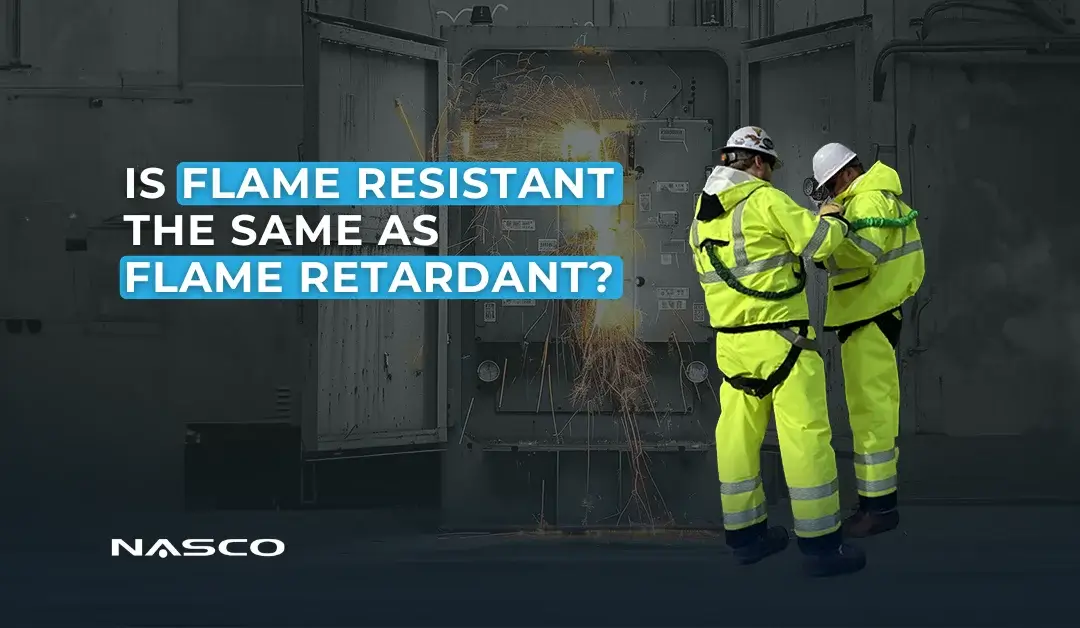
Introduction Flame resistance and flame retardancy are commonly used when discussing fire safety and protection. While they may seem interchangeable, it is crucial to understand the subtle yet significant differences between them. Fire accidents can have devastating...
by NASCO | Dec 21, 2024 | ArcWear, FR Rain Gear
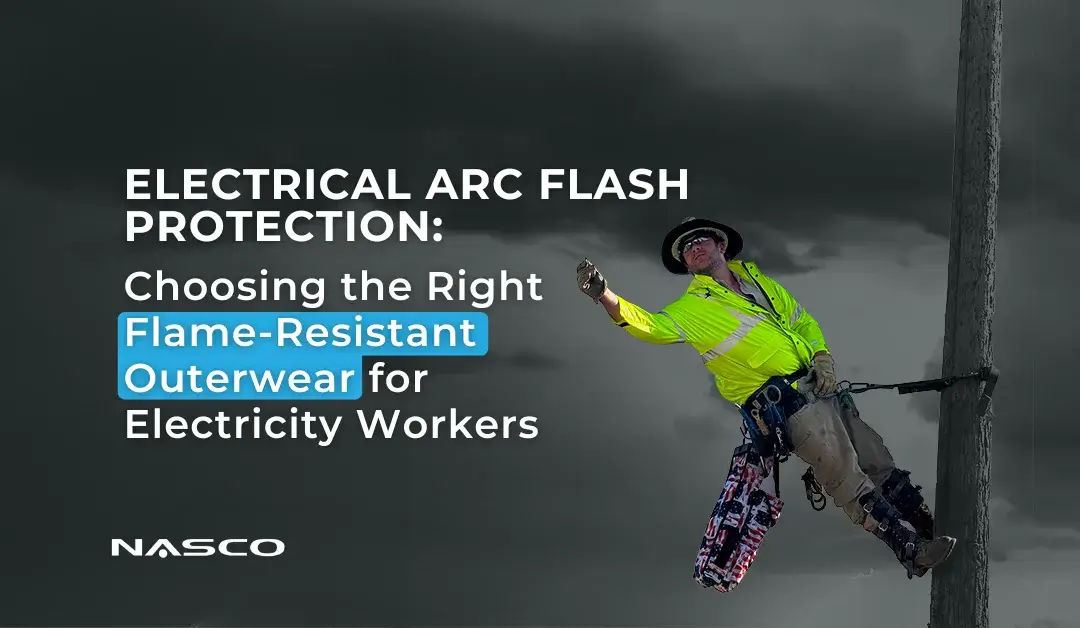
When working in the electricity sector, every day on the job comes with risks, especially the danger of arc flash. This sudden release of electrical energy can reach temperatures hotter than the sun’s surface, and for those working around high-voltage equipment,...
by NASCO | Dec 11, 2024 | FR Rain Gear, PetroWear
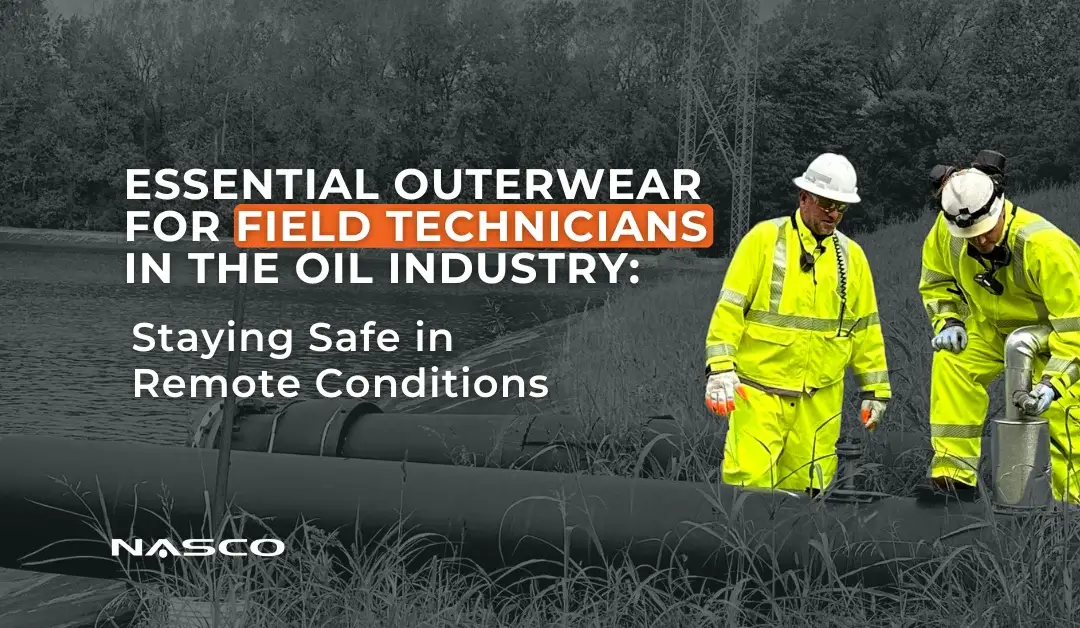
Working in the oil industry means tackling some of the most demanding environments. For field technicians, the job often requires working in remote locations where the weather is unpredictable, the terrain is challenging, and access to help can be limited. When...
by NASCO | Nov 19, 2024 | FR Rain Gear, PetroWear
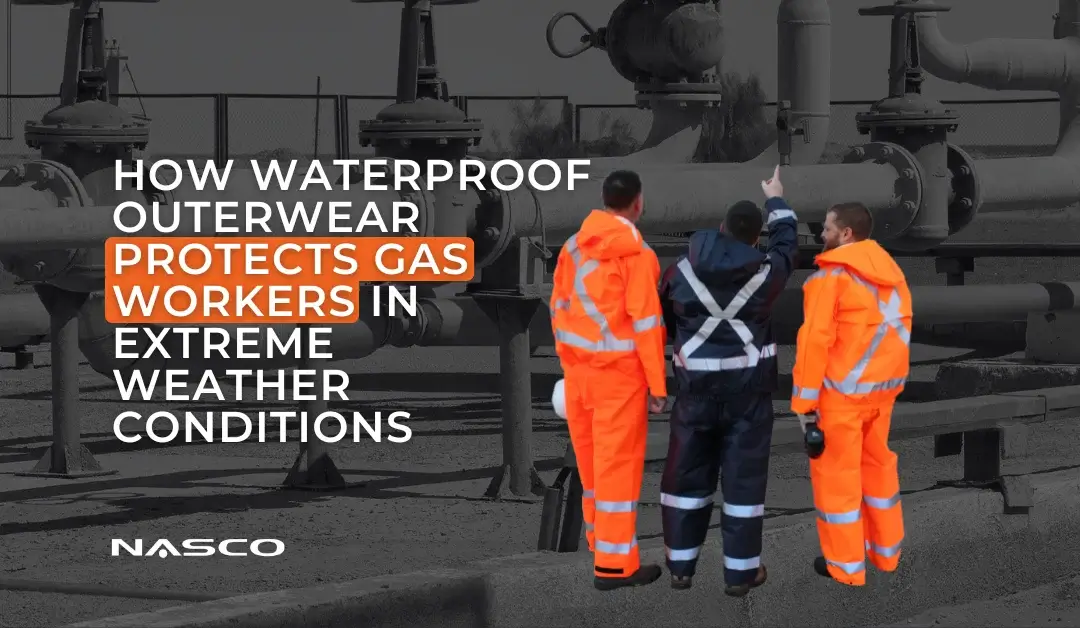
Working in the gas industry means dealing with some of the harshest conditions. Gas workers need outerwear that can handle everything from freezing rain to high winds and intense heat. But protective rainwear isn’t just about comfort; it’s about safety. Quality...
by NASCO | Oct 14, 2024 | FR Rain Gear
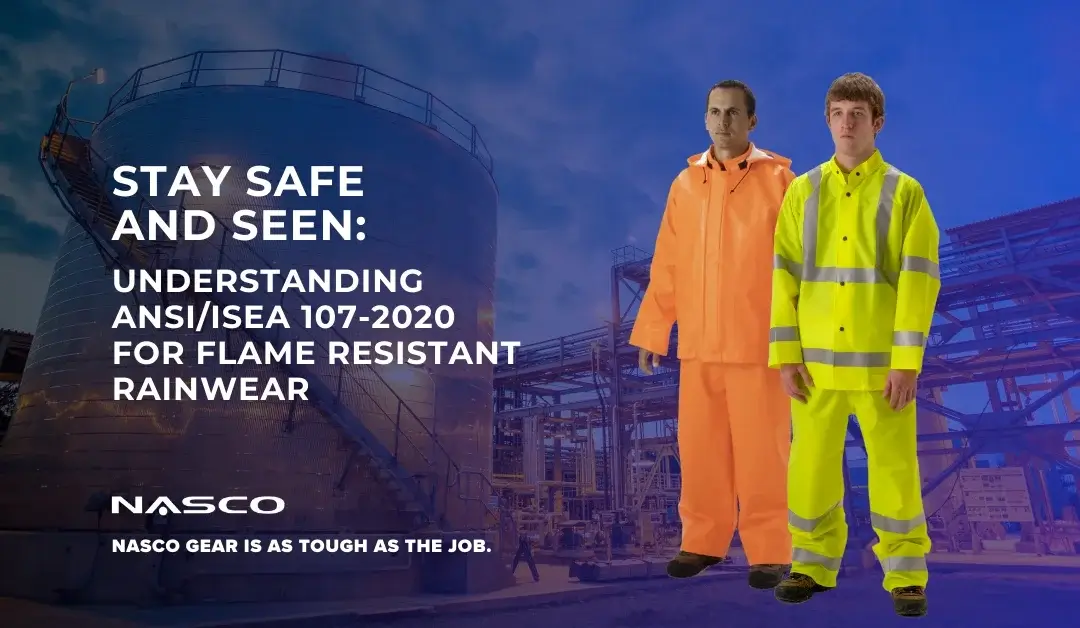
Knowing that your gear meets the proper standards can make all the difference when working in environments where visibility is as crucial as protection from fire hazards. That’s where the ANSI/ISEA 107-2020 standard comes into play, especially for those wearing...
by NASCO | Sep 17, 2024 | FR Rain Gear, Standards
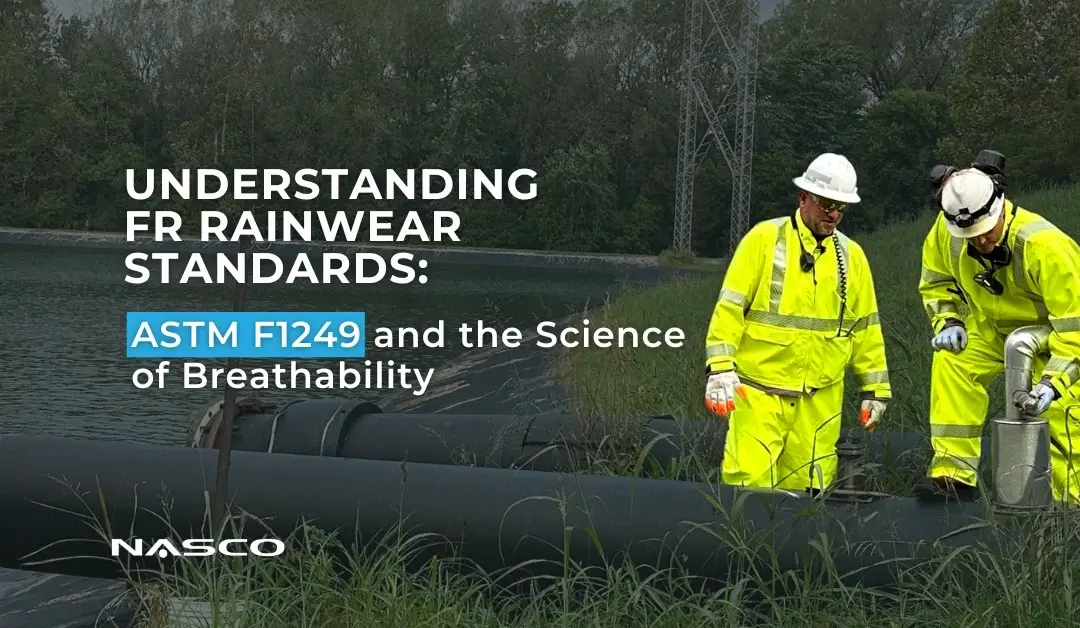
Ever wonder how exactly they measure breathability in FR rain gear? We’ve talked about ASTM E96 and E398, but there’s another one you might encounter: ASTM F1249. This one dives deep into the science behind breathability. ASTM F1249: More Than Just a...

Recent Comments